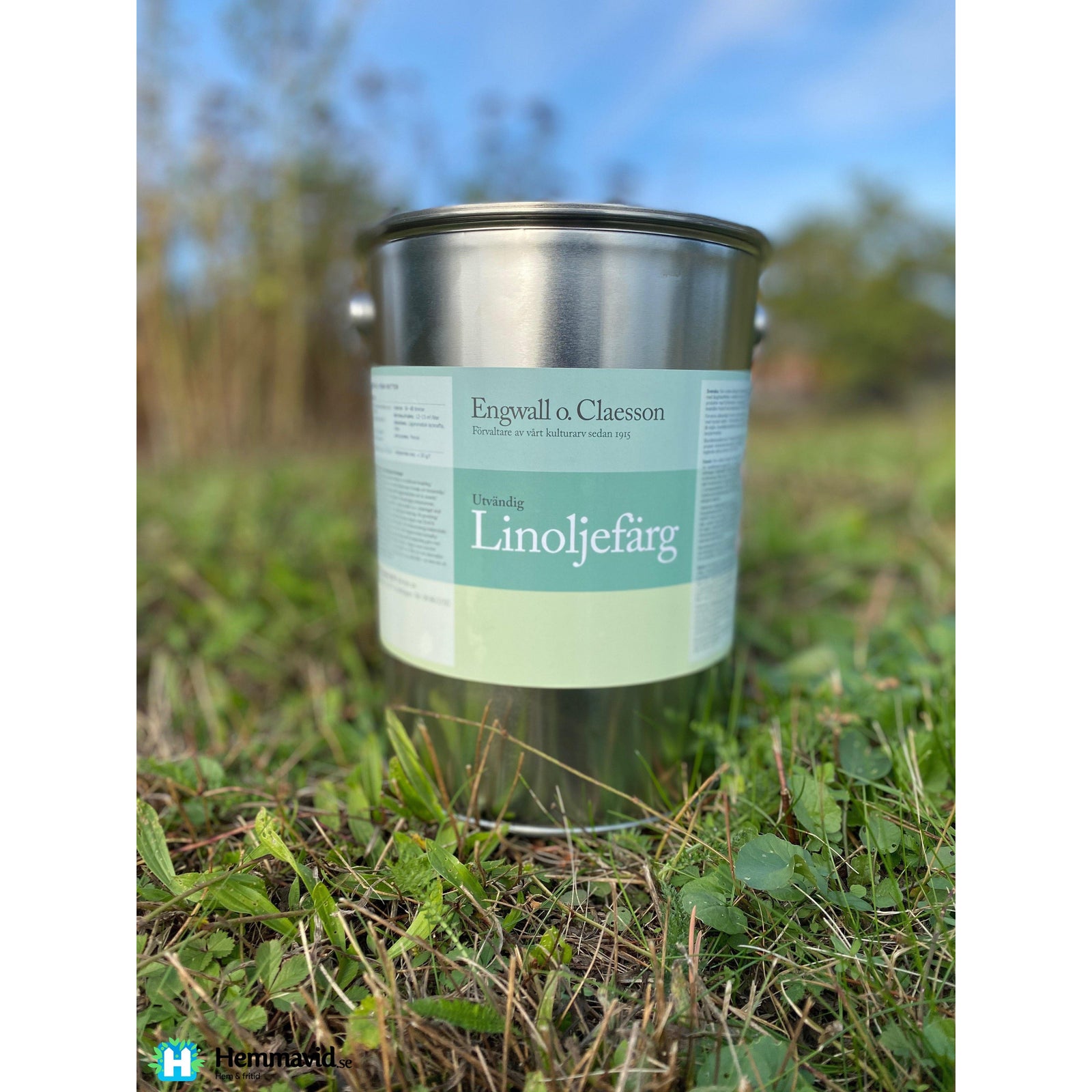
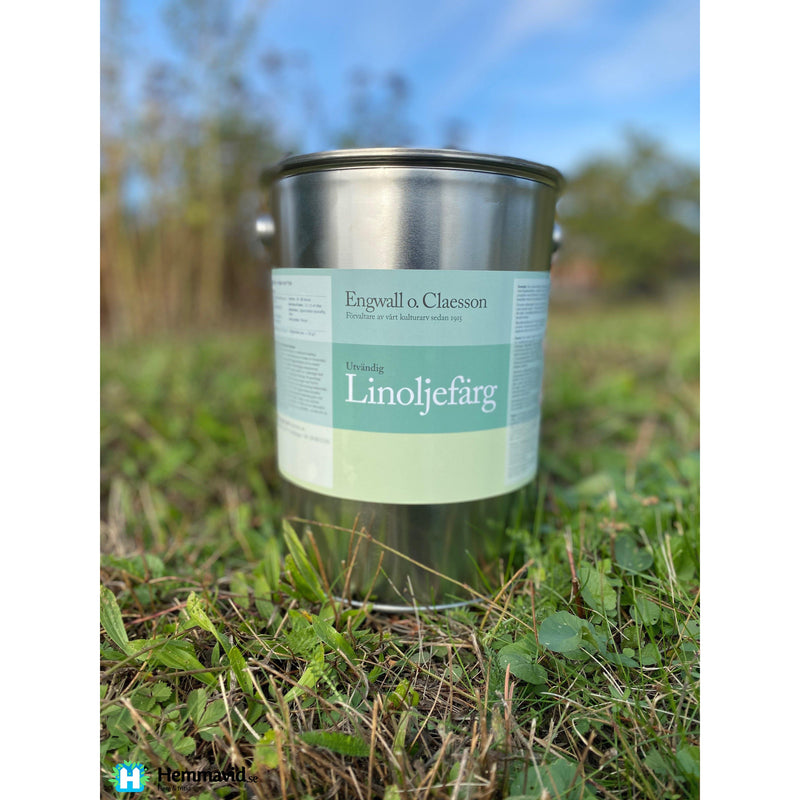
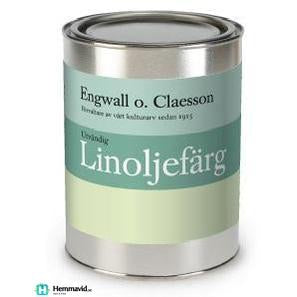
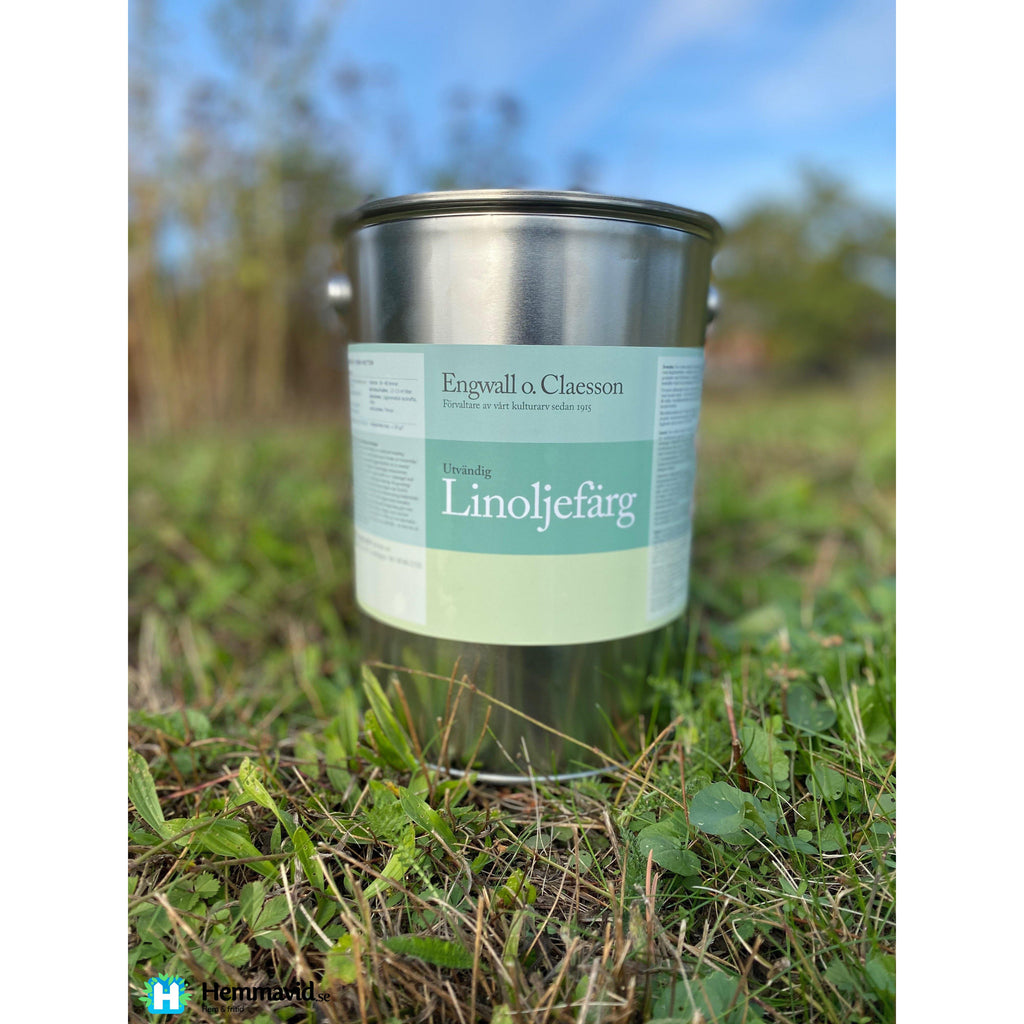
A unique linseed oil paint made with raw linseed oil for optimal penetration and linseed stand oil for increased durability.
Our Exterior Paint is based on Swedish raw, cold-pressed linseed oil and linseed stand oil. It contains mold inhibitors and is intended for painting wooden facades, window frames, trim, carpentry, etc.
Product Description
To ensure long-lasting results, it is important—as with all painting—that the surface is clean and dry. Preferably paint in warm and dry weather conditions.
Drying time is extended by humidity and cold, so do not paint at temperatures below +10°C or if there is a risk of rain or heavy dew. Linseed oil paint should always be applied very thinly. Layers that are too thick lead to poor through-drying and wrinkling.
When painting new surfaces, always apply three coats; for repainting, apply one or two. The first two coats are painted with thinned paint to achieve the best penetration and thus moisture protection—and adhesion. The topcoat is always painted with unthinned paint. (Read more about thinning HERE)
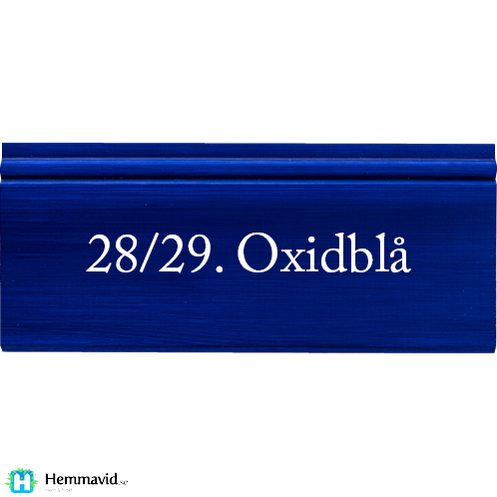
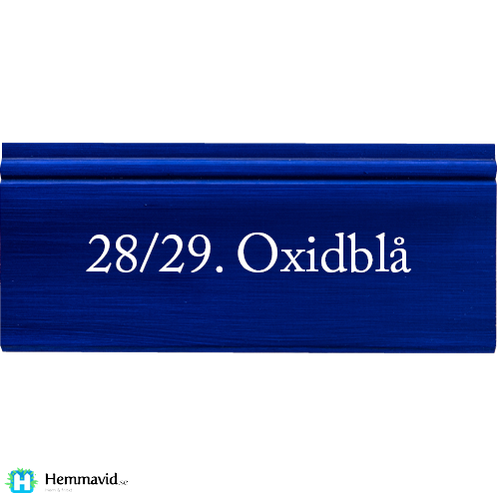
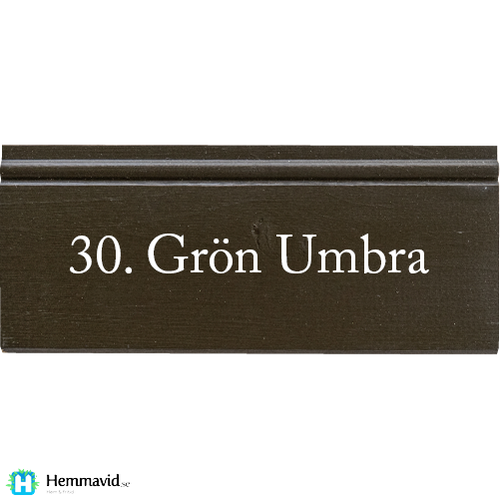
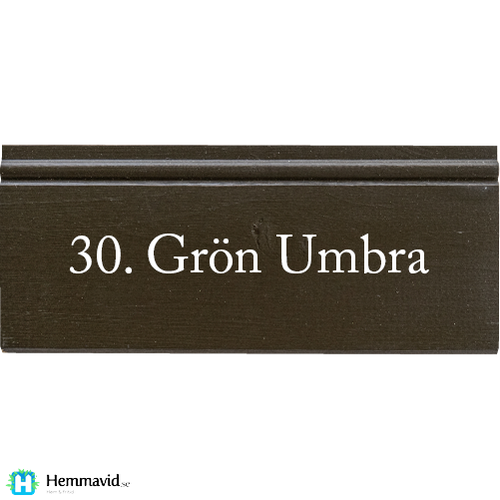
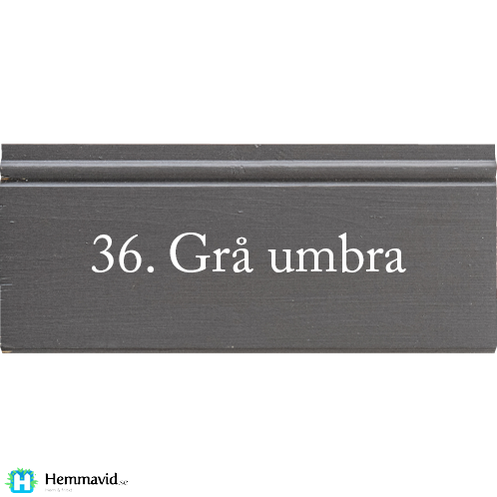
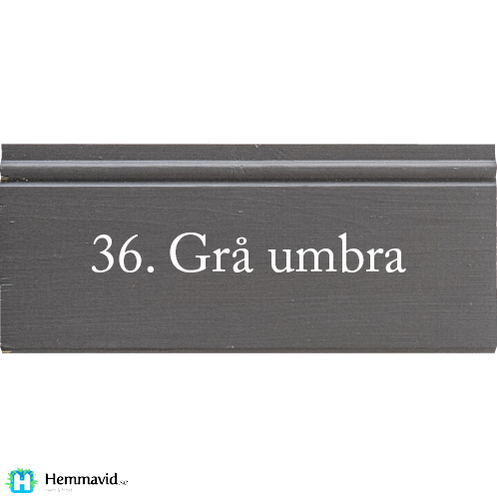
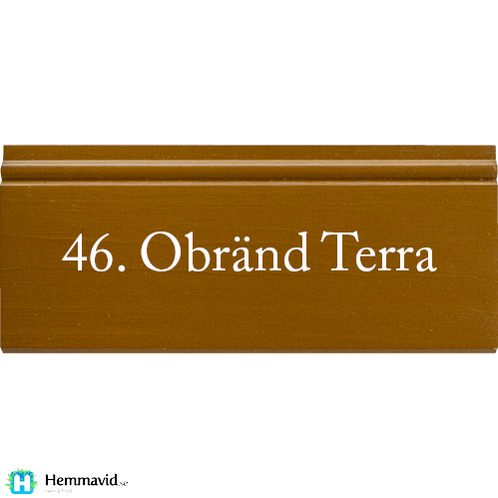
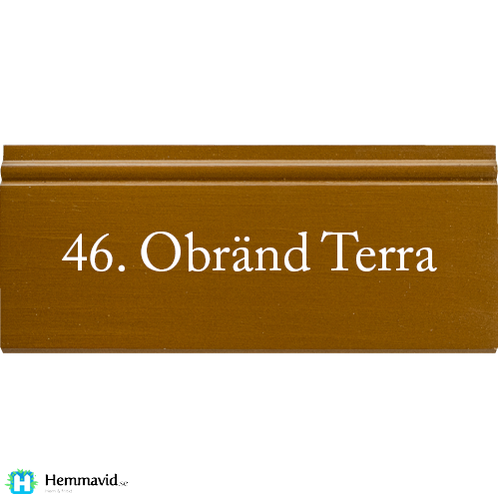
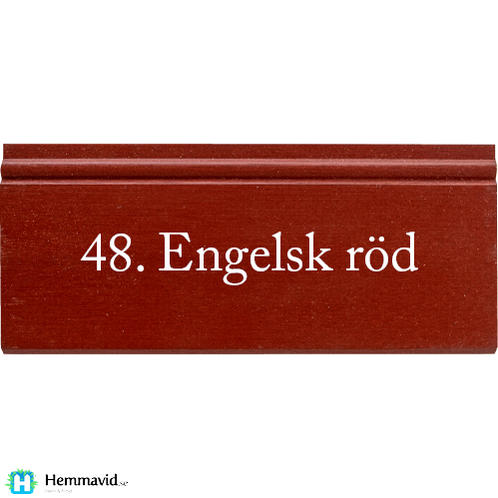
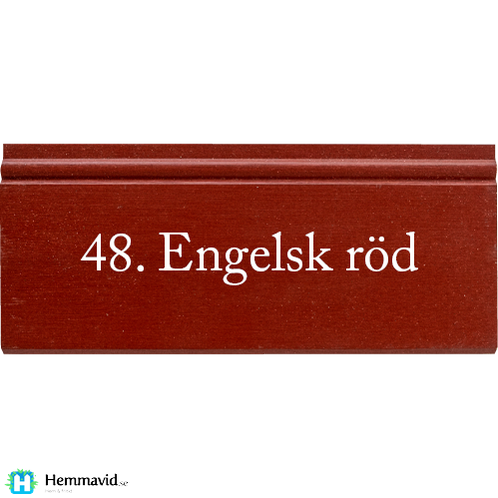
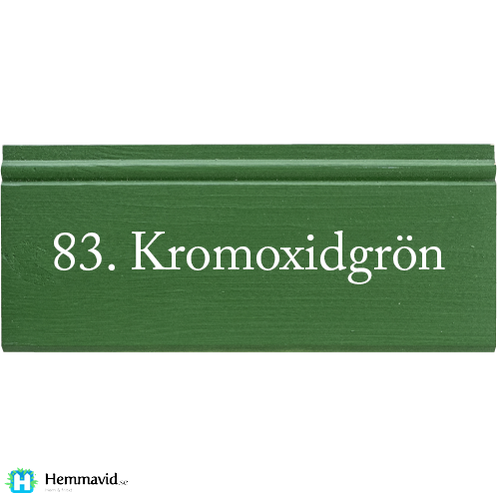
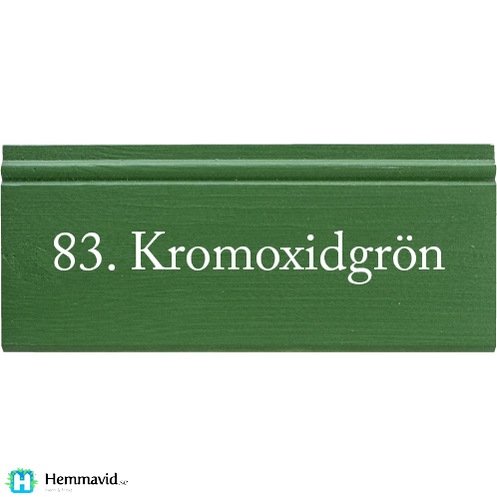
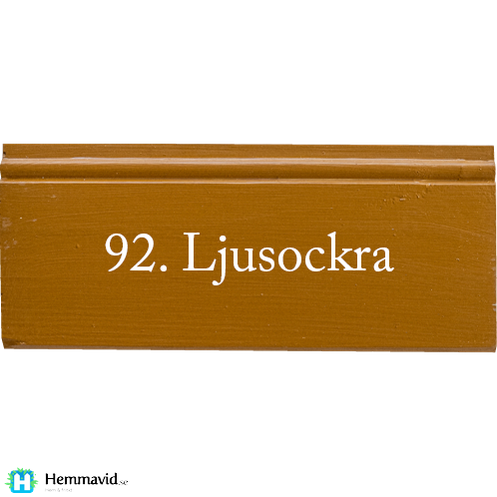
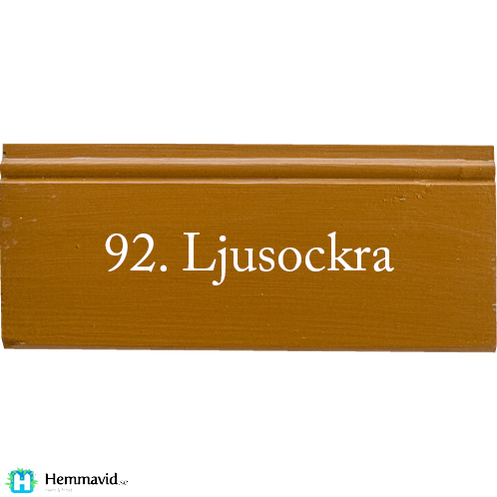
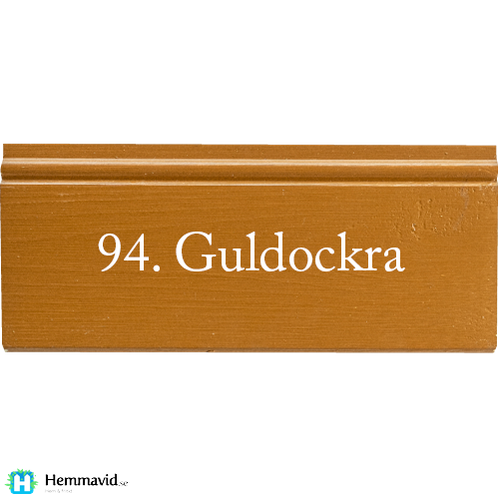
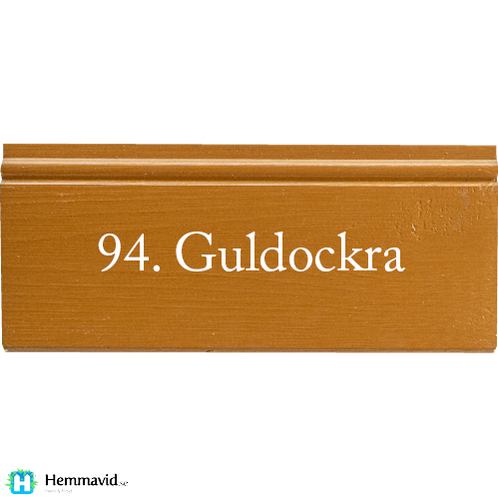
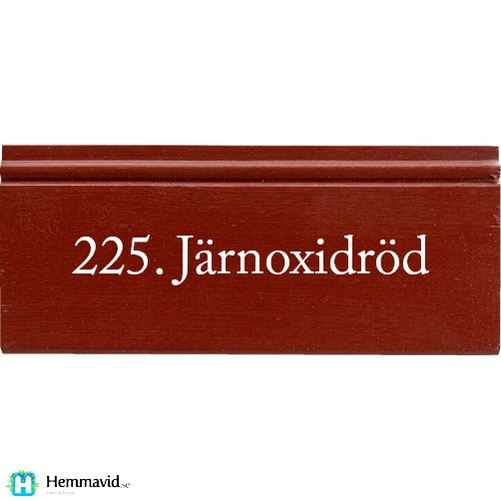
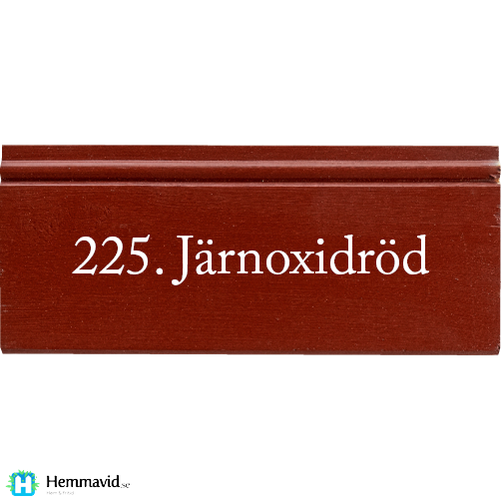
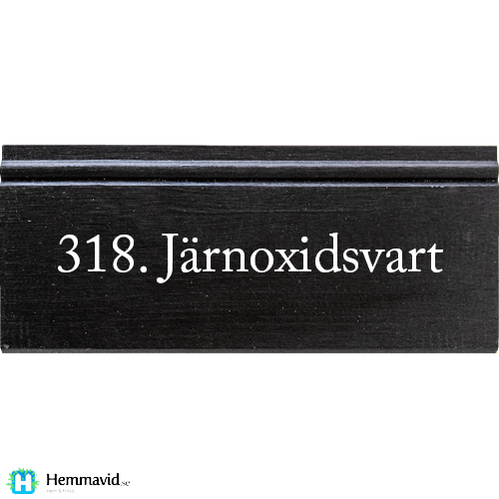
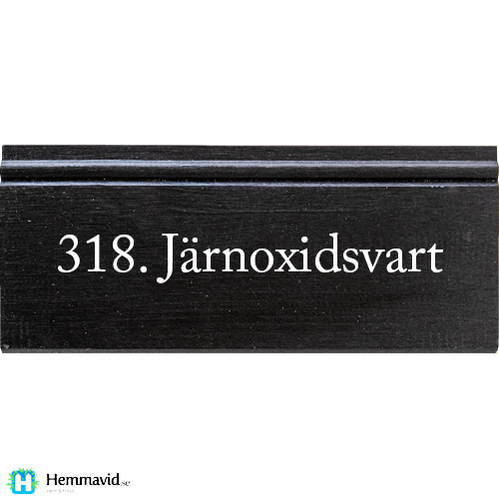
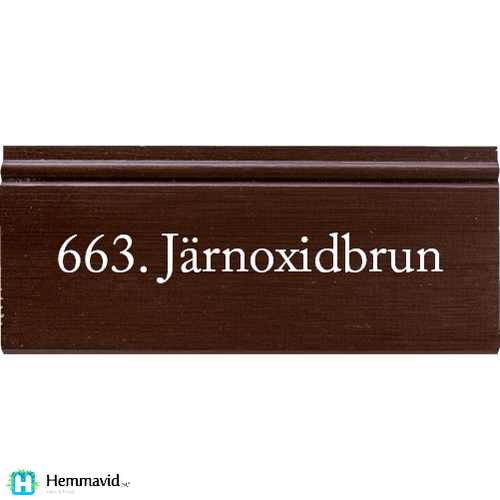
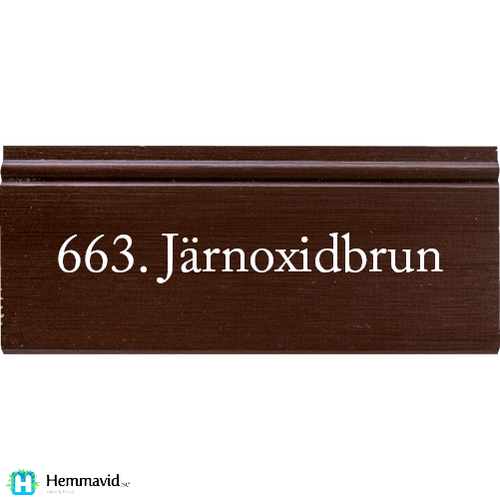
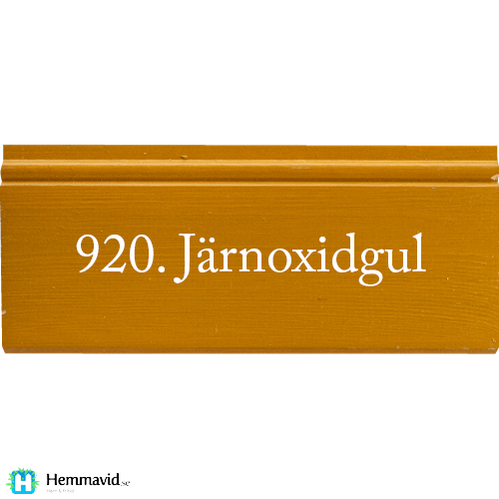
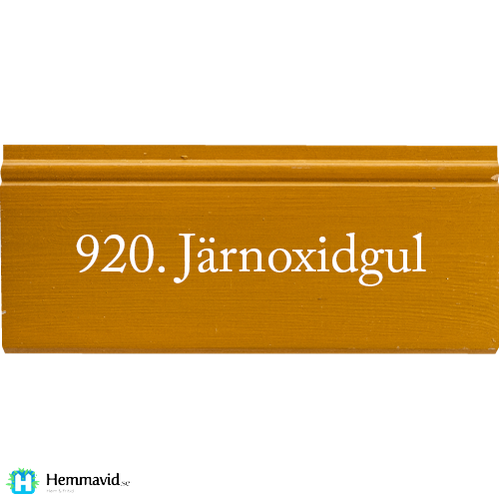
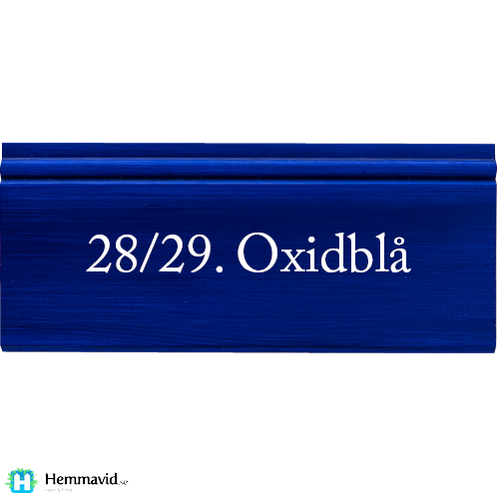
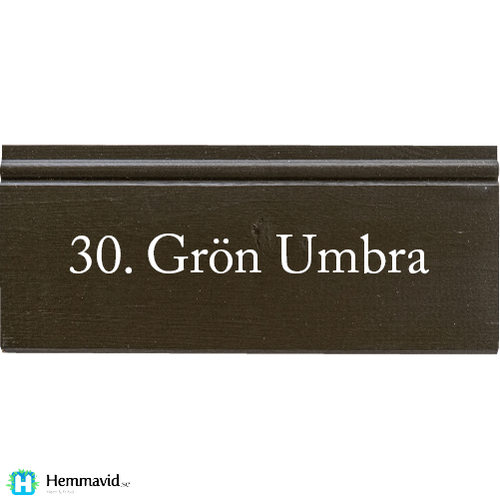
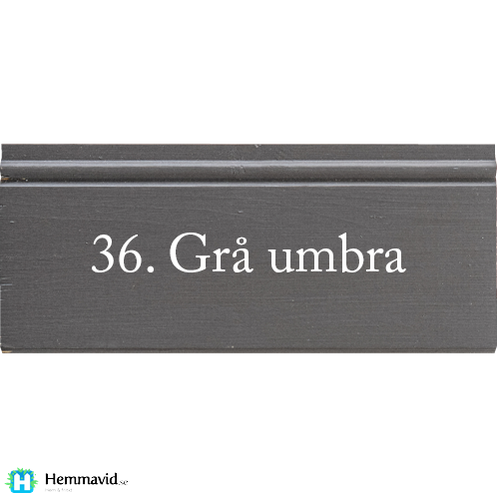
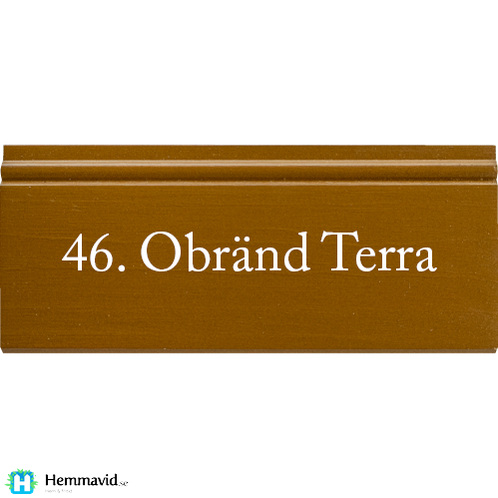
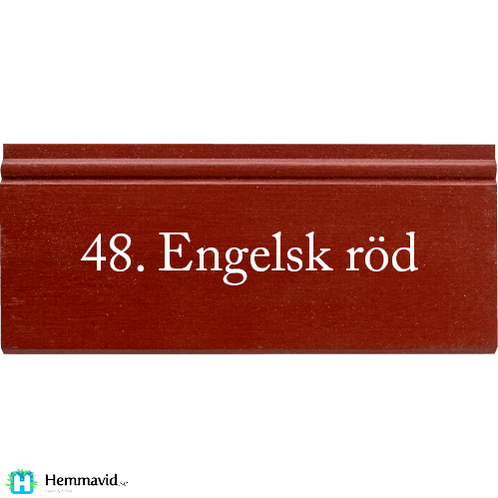
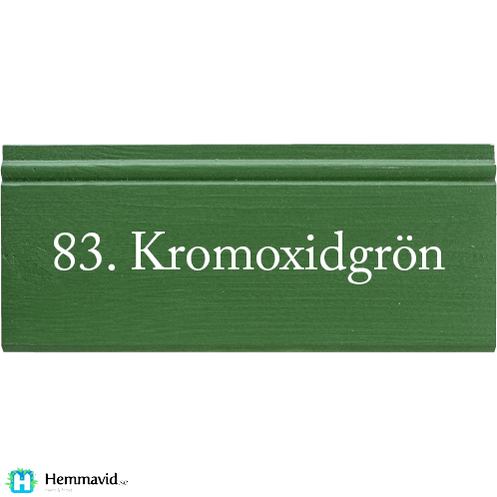
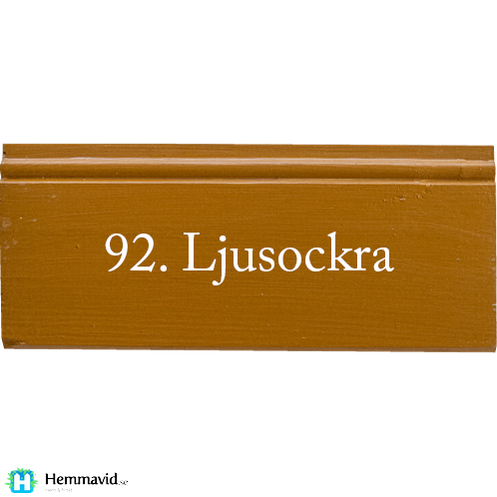
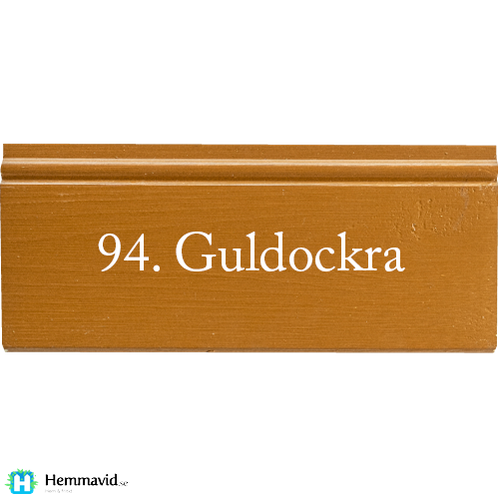
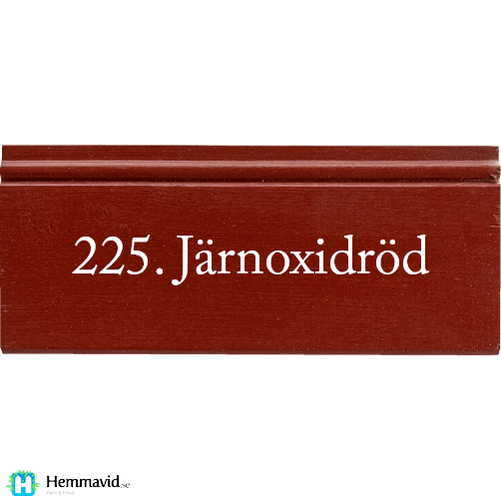
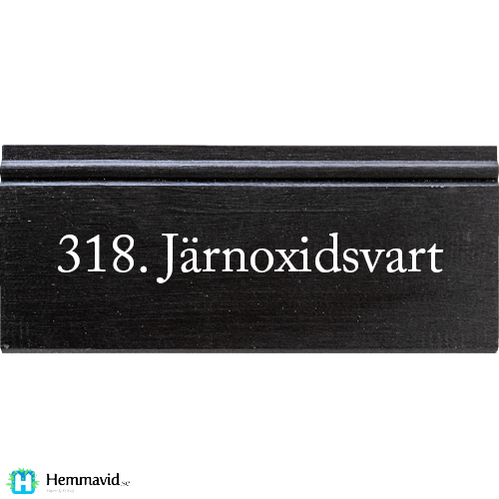
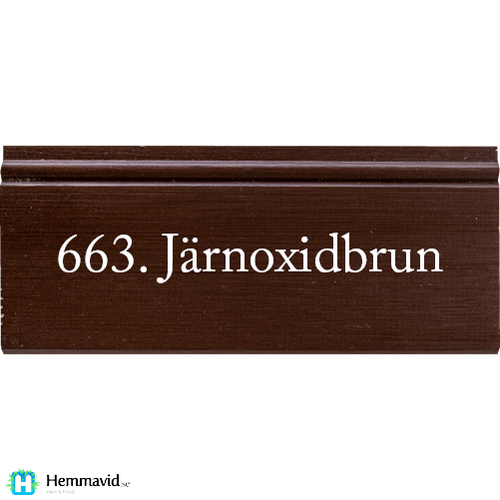
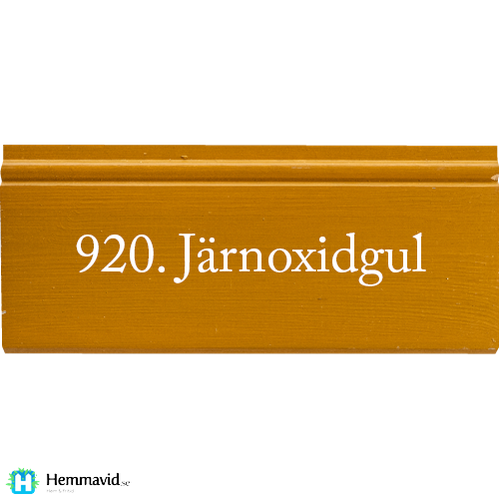
We can tint your paint according to NCS, RAÄ (Swedish National Heritage Board color chart), RAL (often used for painting metal)—or based on your own color sample.
(Note, however, that the colors on your screen do not perfectly match reality).
Soap, Paint Cleaner, and Thinning
It is important that all painting is done on a dry, clean, and firm surface. Therefore, always scrape and clean the surface before you start painting. When painting outdoors with linseed oil paint, the first and second coats are thinned for better spreading, penetration, and adhesion.
Specifications
TECHNICAL DATA:
Binder:
Swedish raw cold-pressed linseed oil, linseed stand oil
Color:
RAÄ, NCS
Pigment:
Titanium dioxide, zinc white, iron oxide
Viscosity:
BF approx. 2500
Density:
1.3 – 1.7 kg/liter
Solids content:
99% by weight
Gloss:
Glossy when applied, silk matte over time. Drying time: 36-48 hours
Coverage:
12-15 m2 /liter
Cleaning:
Low-aromatic white spirit, soap
Packaging:
1 liter, 5 liters, 10 liters
NOTE!
Rags, cotton waste, etc., soaked with linseed oil can cause spontaneous combustion. Place these in a fireproof container or in water.
VOC limit (Cat A/d): 300 g/l (2010) Product VOC: < 30 g/l
FAQ
Which surfaces is the linseed oil paint suitable for?
The paint is intended for wooden surfaces outdoors—facades, window frames, trim, doors, and carpentry. It is excellently suited for historically significant buildings and heritage-listed houses where linseed oil paint is a requirement.
How long does the linseed oil paint last?
With proper pre-treatment and correct application in three coats (for new painting), linseed oil paint can last for 15–25 years. It ages gracefully—instead of flaking, it retreats back into the wood and can be easily renewed with a new coat.
What is the difference between raw linseed oil and linseed stand oil?
Raw cold-pressed linseed oil provides deep penetration and nourishes the wood from within. Linseed stand oil is heat-treated and gives the paint better film formation and longer durability on the surface. The combination provides both protection and longevity.
How much paint do I need?
Estimate 12–15 m² per liter per coat. For new painting with three coats, approximately 1 liter is needed per 4–5 m² of finished surface. Measure your surface and calculate a little extra for edges and details.
What temperature can I paint in?
Paint at a minimum of +10°C and avoid the risk of rain or heavy dew. The drying time is 36–48 hours per coat under normal conditions—longer in cold and high humidity.
Do I need to prime?
Yes—when painting new or scraped wood, always prime with paint thinned 30–40% with low-aromatic white spirit for best penetration and adhesion. The second coat is thinned 15–20%. The topcoat is always painted unthinned.
Is the product environmentally friendly?
Linseed oil paint is one of the most natural alternatives available—based on vegetable linseed oil and natural pigments. The VOC value is under 30 g/l (limit 300 g/l). Remember that soaked rags can spontaneously ignite—place them in water or a fireproof container.
Can I paint myself or do I need a painter?
You can definitely paint yourself with the right brushes and patience. Use round or oval brushes and always apply thinly. For larger facade projects or heritage-listed buildings, an experienced linseed oil painter is recommended.
Data Sheets
Technical data sheet: Download
Safety data sheet: Download